Quick Answer
Three Core Trends Shaping European Beverage Packaging
As Europe moves towards stricter sustainability targets, three interconnected packaging trends are defining the future of the beverage industry. These shifts are driven by regulatory mandates, consumer expectations, and the pursuit of greater supply chain efficiency.
1. The Shift to High-Recyclability and Recycled Content
Regulatory pressure is accelerating the adoption of packaging designed for a circular economy. The focus is not just on using recyclable materials but also on incorporating post-consumer recycled (PCR) content.
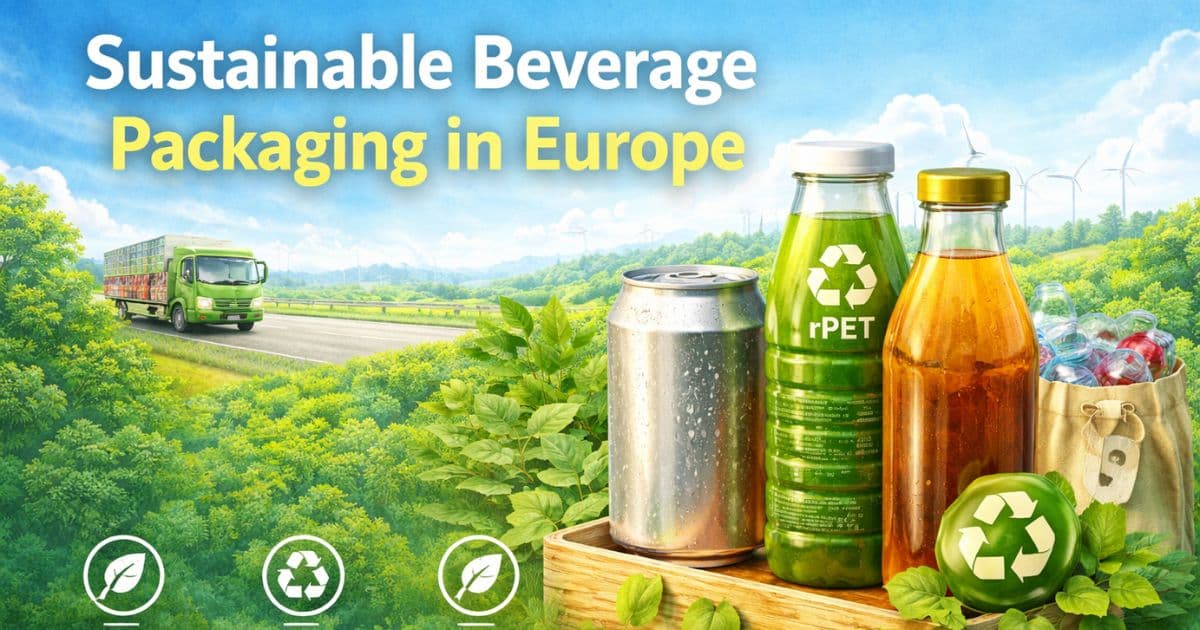
- Recycled PET (rPET): Increasingly mandated for plastic bottles, rPET reduces reliance on virgin plastics and lowers the carbon footprint of packaging.
- Aluminum Cans: Valued for their high recycling rates and infinite recyclability, aluminum remains a preferred choice for a wide range of beverages.
- Glass: While heavier, glass bottles offer high recyclability and are often part of established deposit-return schemes (DRS) in many European markets.
2. Strategic Reduction of Virgin and Single-Use Plastics
In line with the EU Single-Use Plastics Directive, beverage brands are actively innovating to minimize plastic waste. This involves a multi-faceted approach beyond simple material substitution.
- Packaging Redesign: Creating formats that use less plastic overall, such as removing secondary plastic wraps or creating tethered caps.
- Material Innovation: Exploring alternative materials and formats that are both functional and more environmentally friendly.
- Increasing Recycled Content: A primary goal is to increase the percentage of recycled material in all plastic packaging, moving the industry closer to a closed-loop system.
3. Lightweighting for Efficiency and Lower Emissions
Reducing the weight of packaging—a process known as lightweighting—is a critical strategy for beverage producers. By engineering thinner, lighter cans and bottles without compromising structural integrity, companies can achieve significant benefits.
This approach directly reduces raw material consumption and lowers the weight of shipments, leading to decreased transportation fuel costs and a smaller carbon footprint across the entire supply chain. It's a clear example of how sustainability goals align with commercial advantages.
Why These Changes Matter for Beverage Brands
Adapting to these new packaging-trends is no longer optional for brands selling in Europe. Companies that fail to update their packaging may face regulatory challenges or lose market competitiveness.
Benefits of adopting sustainable packaging include:
Improved brand image among eco-conscious consumers
Easier compliance with European regulations
Reduced environmental impact
Greater appeal in retail markets
For companies developing new beverage products, sustainability is now a key factor in packaging design.
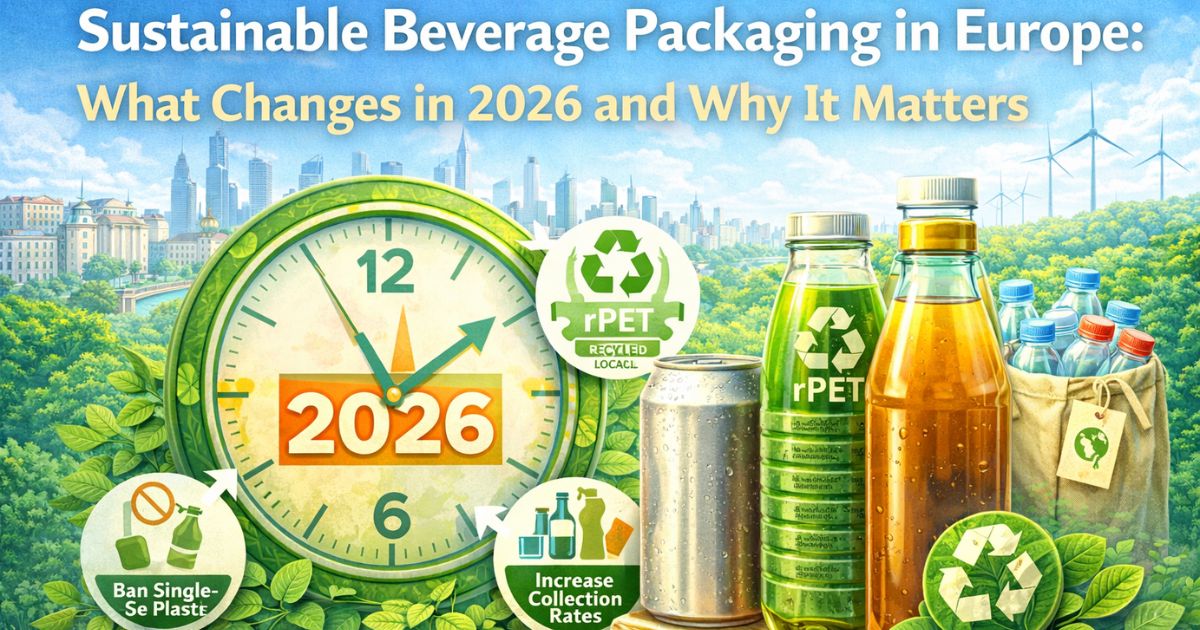
Glass bottles
PET bottles with recycled content (rPET)
These materials are widely recyclable and already supported by European recycling systems.
Conclusion
The shift toward sustainability is transforming the European beverage market. By understanding emerging packaging-trends, beverage companies can prepare for the upcoming 2026 regulatory changes and build more environmentally responsible brands.
As consumers continue to prioritize eco-friendly products, sustainable beverage packaging will become not just a requirement—but a competitive advantage.
Frequently Asked Questions
Quick answers about this topic
Related Topics
VINUT Team
Beverage Industry Analyst
The VINUT editorial team brings 15+ years of expertise in Vietnamese beverage manufacturing, global export markets, and B2B industry trends across APAC, EU, and Middle East regions.